The Finance Ministry’s report on the management of the Energy Sector Support Account has revealed that proceeds from the Energy Sector Shortfall and Debt Repayment Levy were still insufficient to fully cover Ghana’s energy sector obligations in 2025 despite the introduction of the additional GH¢1 levy.
In April 2025, Parliament amended the ESLA framework by consolidating several existing levies, including the Energy Debt Recovery Levy, Energy Sector Recovery Levy, Sanitation and Pollution Levy and the Price Stabilization and Recovery Levy, into a single levy known as the Energy Sector Shortfall and Debt Repayment Levy.
According to the Finance Ministry, the consolidation was intended to improve transparency, streamline administration and enhance revenue mobilization.
Two months later, government increased the levy from 95 pesewas to GH¢1.95 per litre.
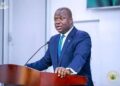
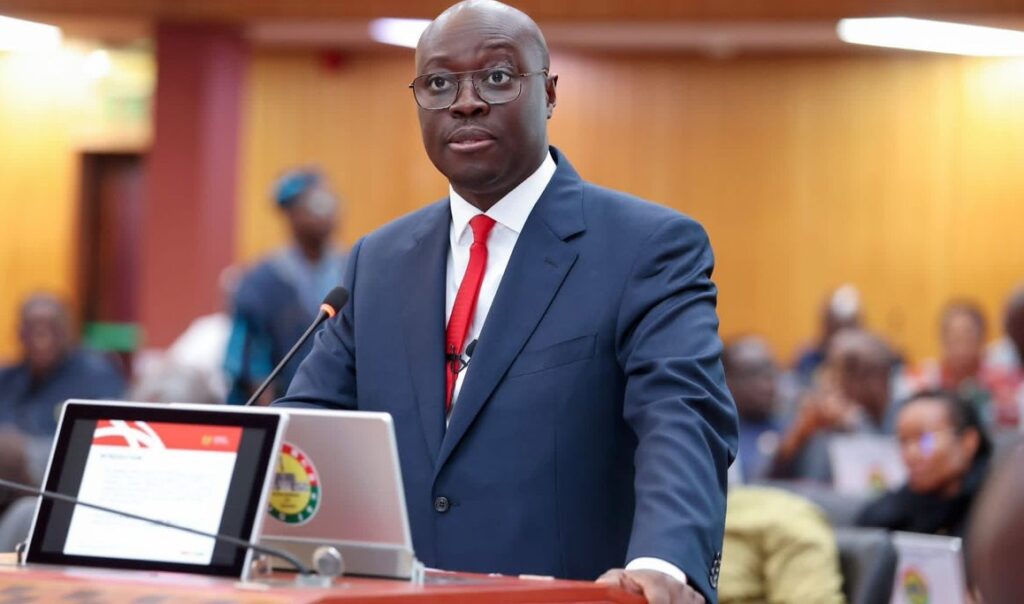
Finance Minister Dr. Cassiel Ato Forson said the additional GH¢1 would help reduce energy sector shortfalls, clear legacy debts and support a more stable electricity supply.
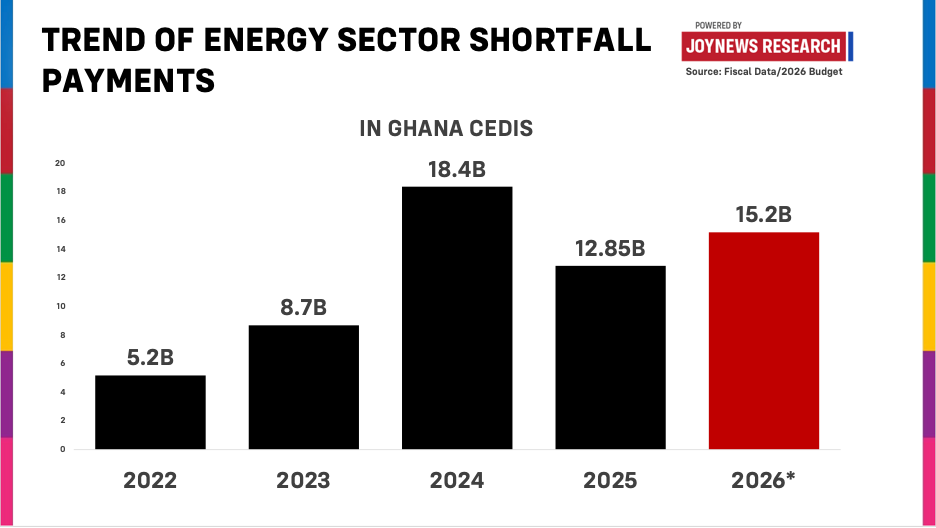
The figures suggest that while the additional GH¢1 levy helped narrow the financing gap, it has not solved the sector’s underlying problems.
As Finance Minister Dr. Cassiel Ato Forson acknowledged during the presentation of the 2025 Budget, the deeper challenges remain structural.
They include poor revenue collection, system losses, weaknesses in the implementation of the Cash Waterfall Mechanism, expensive power purchase agreements and inefficiencies across the sector’s value chain.
The additional levy has provided some relief.
But the Finance Ministry’s own figures suggest that lasting solutions will require deeper structural reforms rather than higher taxes alone.